
APNEWS: You can give old batteries a new life by safely recycling them
Updated 9:49 AM EDT, February 20, 2026
NEW YORK (AP) — When household batteries die, it’s hard to know what to do with them. So they get shoved into a junk drawer or sheepishly thrown into the trash.
But dead batteries aren’t quite finished. They can leak heavy metals like cadmium and nickel into soil and water once they reach the landfill. Some of them can also overheat and cause fires in garbage trucks and recycling centers.
The good news is, safely disposing of your batteries takes just a few steps. They’ll get shipped to recycling centers that break down their contents to make new things.
Battery recycling processes could use some fine-tuning, but it’s still a simple and responsible way to get rid of them.
Recycling old batteries “keeps you safe, keeps the waste industry safe, keeps the first responders safe and responsibly sees that battery reach a proper end of life,” said Michael Hoffman, president of the National Waste and Recycling Association.
Small batteries can have a big environmental impact
Batteries keep things running in our homes, powering everything from alarm clocks and TV remotes to gaming controllers. Millions are bought and used every year in the U.S., according to the Environmental Protection Agency.
They leave their stamp on the environment at nearly every stage of their life span.
Many of the materials used to make batteries — elements like lithium and nickel — are mined. Over half the world’s cobalt reserves are in Congo.
Once mined, those materials are shipped around to be refined, fashioned into a battery and packaged for sale. All the ships, trucks and planes moving them add to batteries’ carbon footprint. Making the batteries can release carbon emissions and pollution into the air and atmosphere, too.
Be sure to look up battery disposal laws for your area: Places like New York, Vermont and Washington, D.C. have special rules about throwing away household or rechargeable batteries.
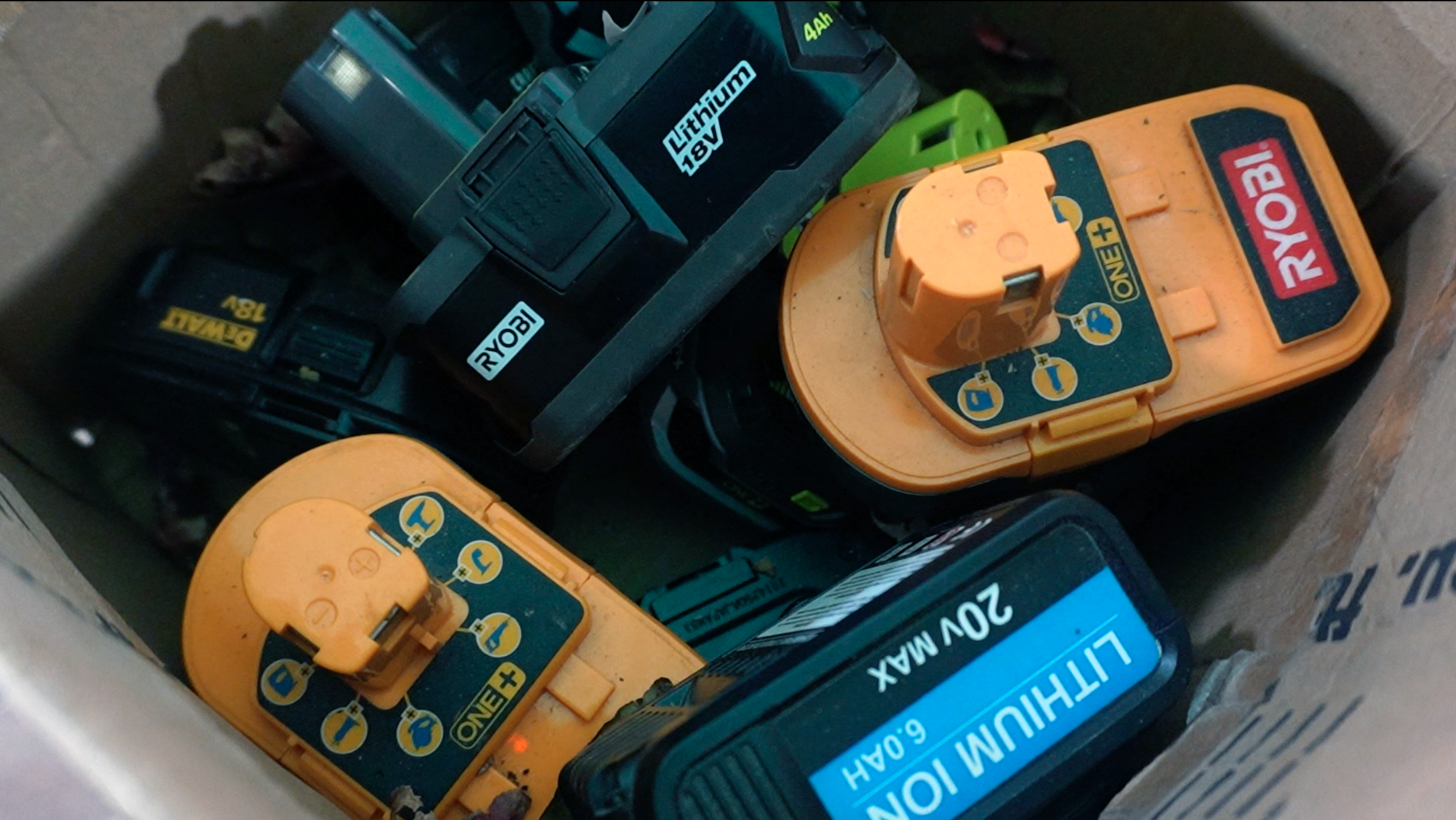
Once you’ve corralled your batteries, tape their ends or put them in plastic bags to avoid the possibility of sparking. Then, take them to a drop-off location. How easy or hard this is depends on where you live.