

In The News
campaign coverage
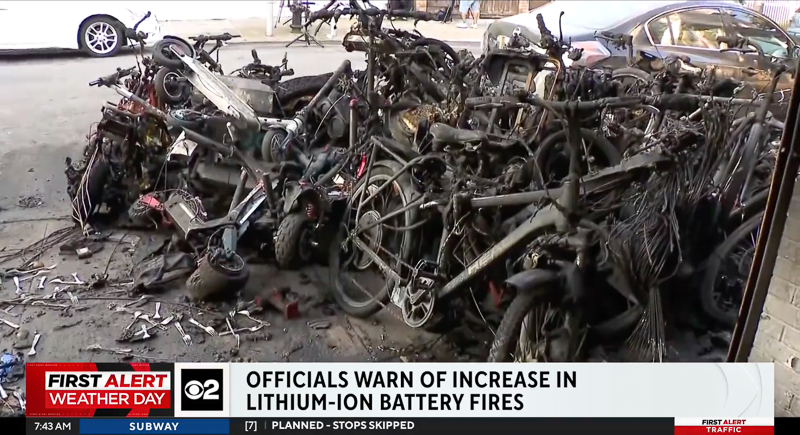
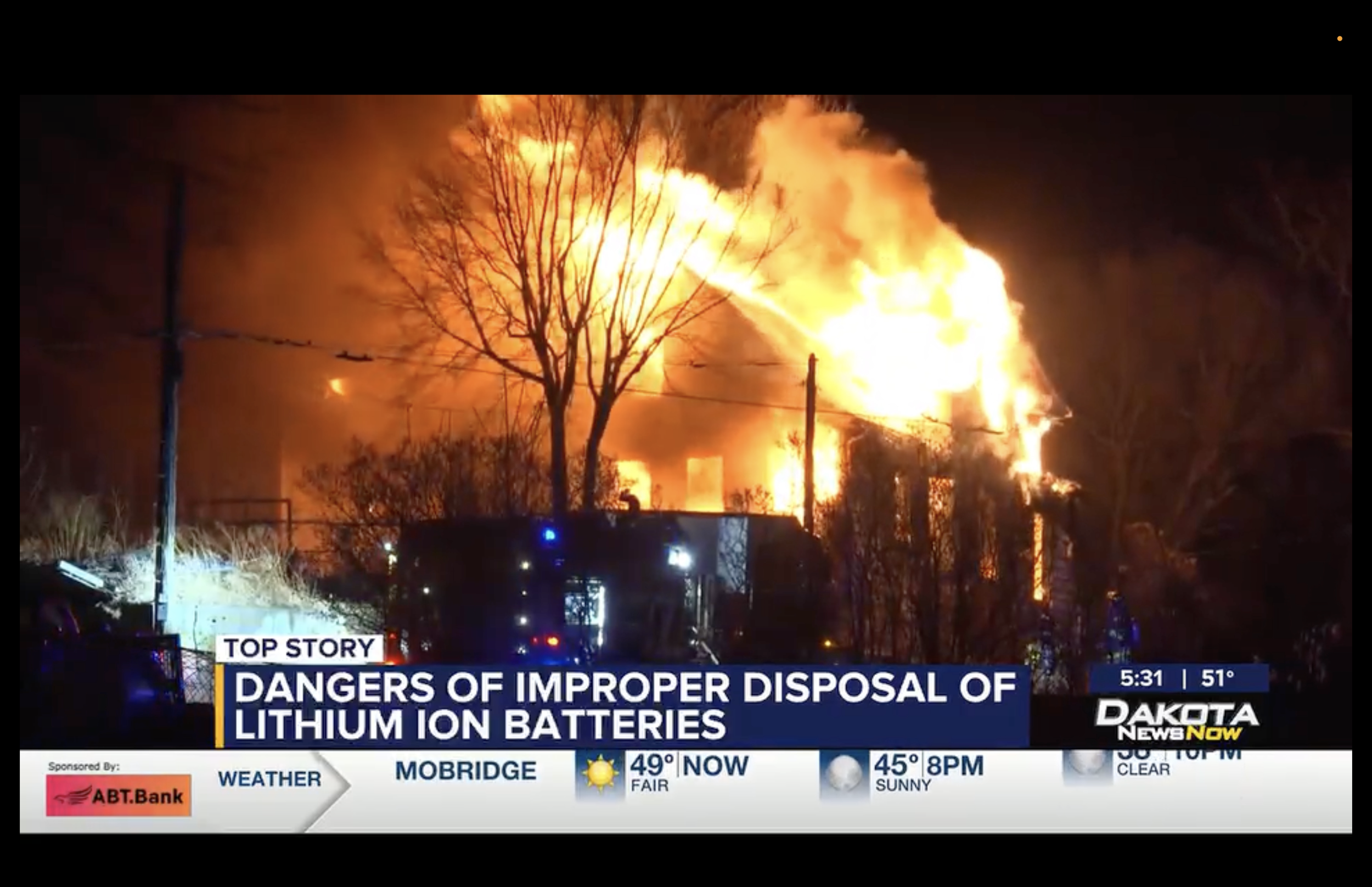
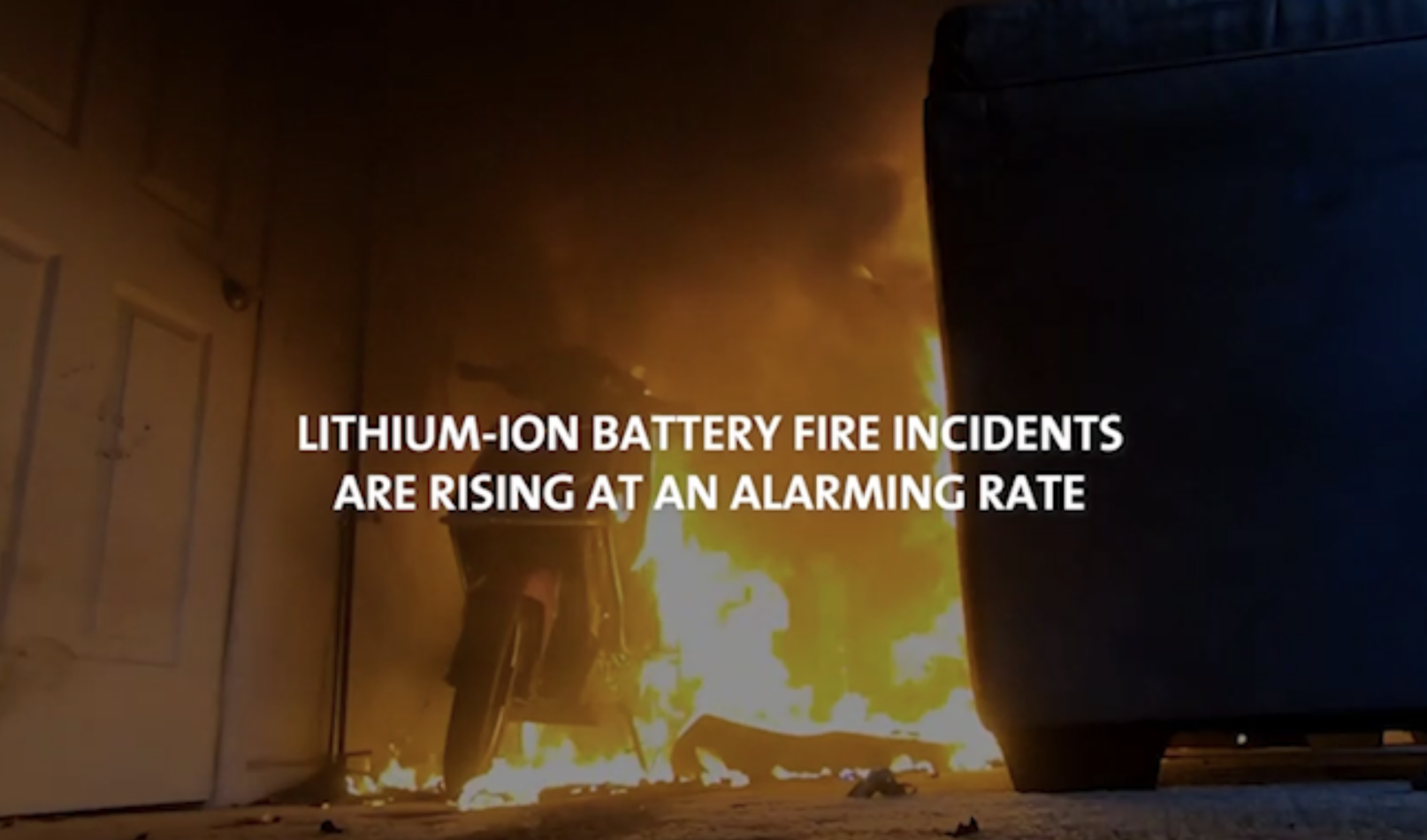
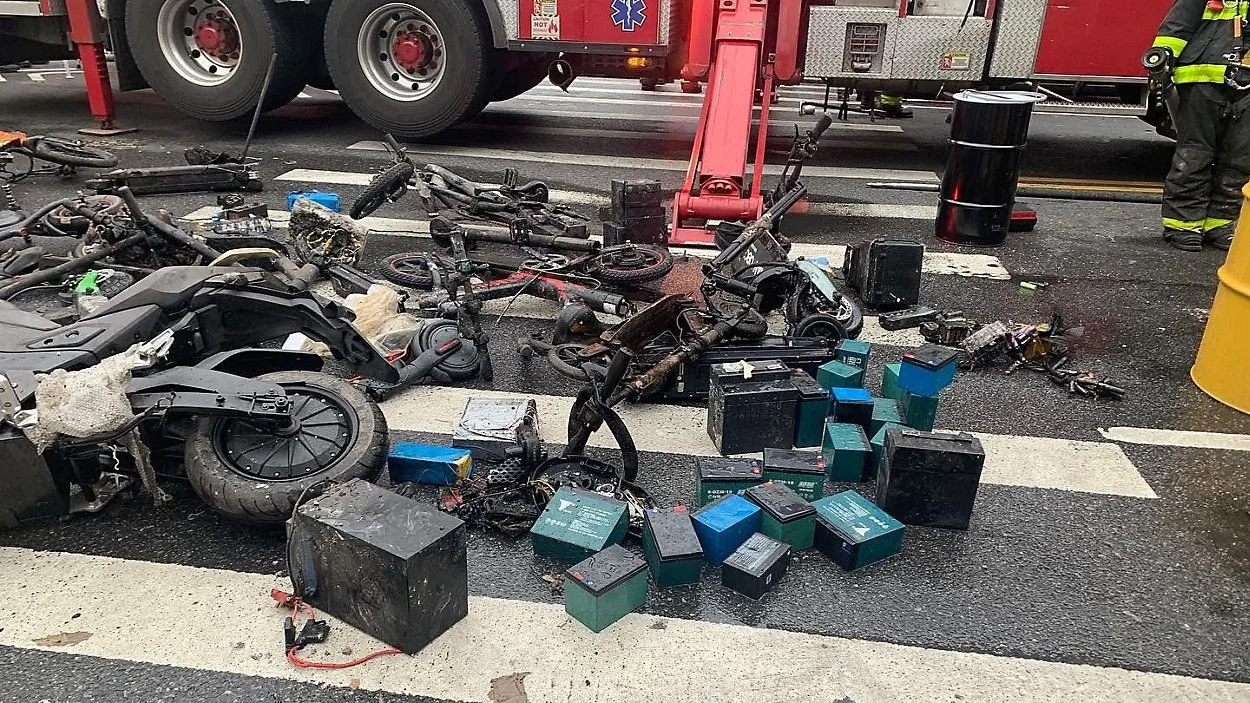
Battery fires at trash facilities are becoming more common nationwide, and Wyoming isn’t immune to the problem. There have been two battery-related fires in Teton County in less than six months, and officials are warning of the dangers.
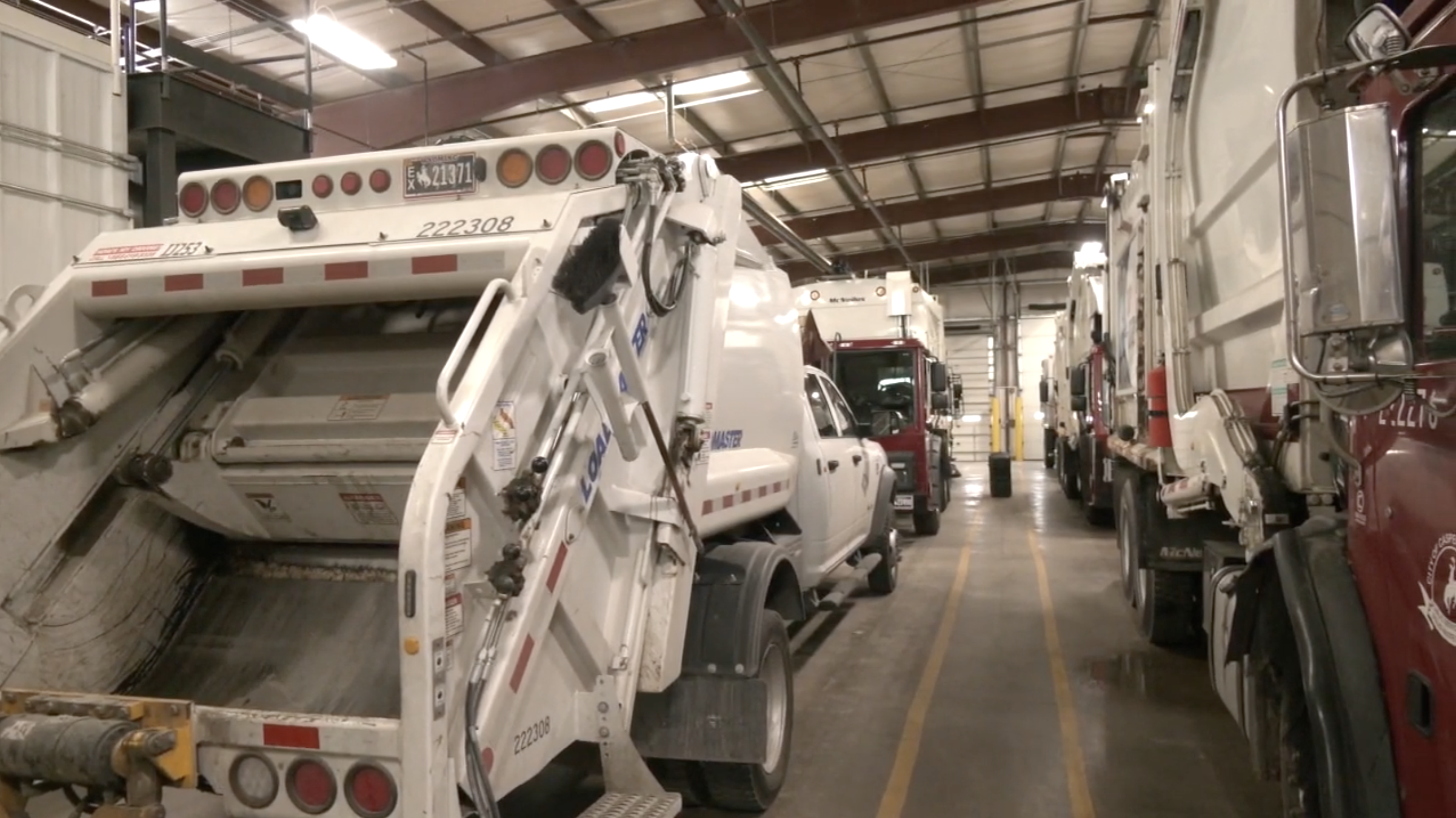
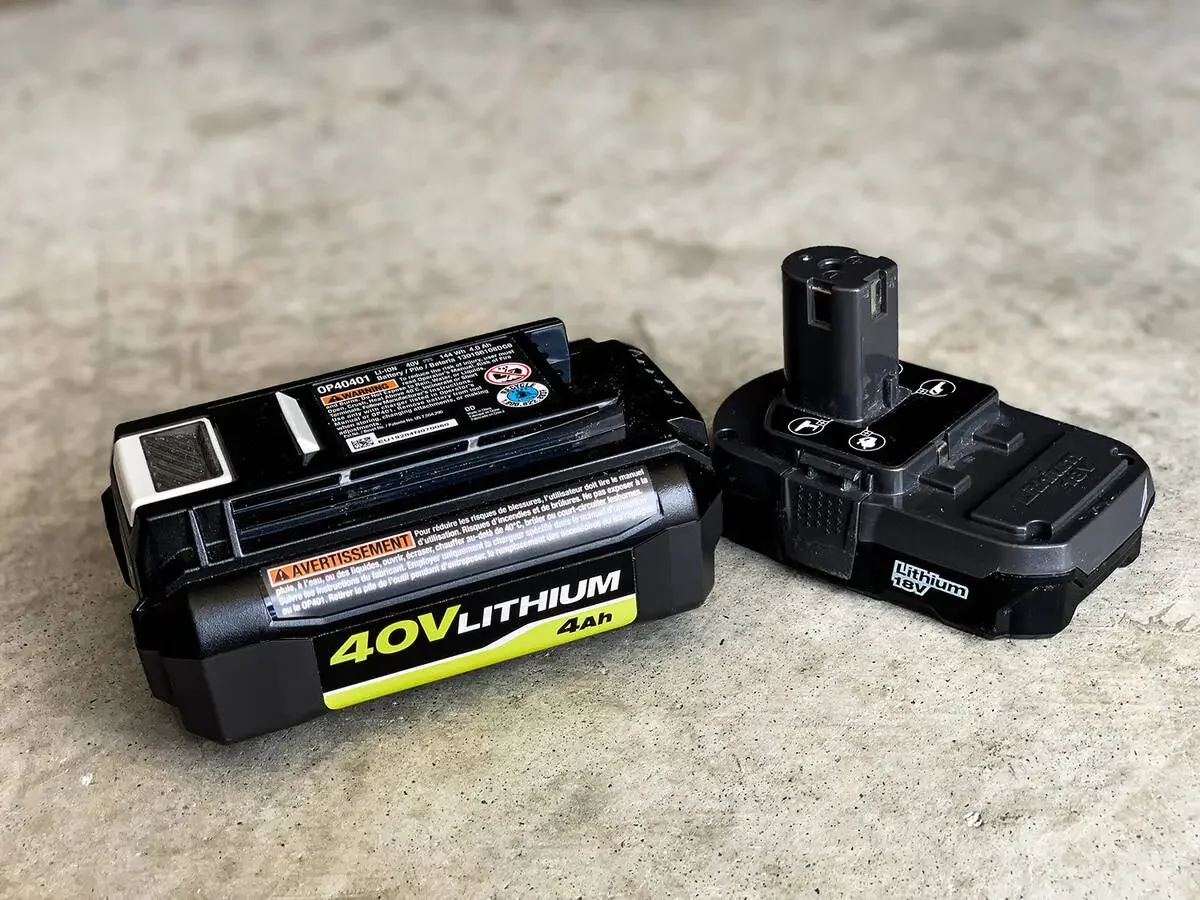
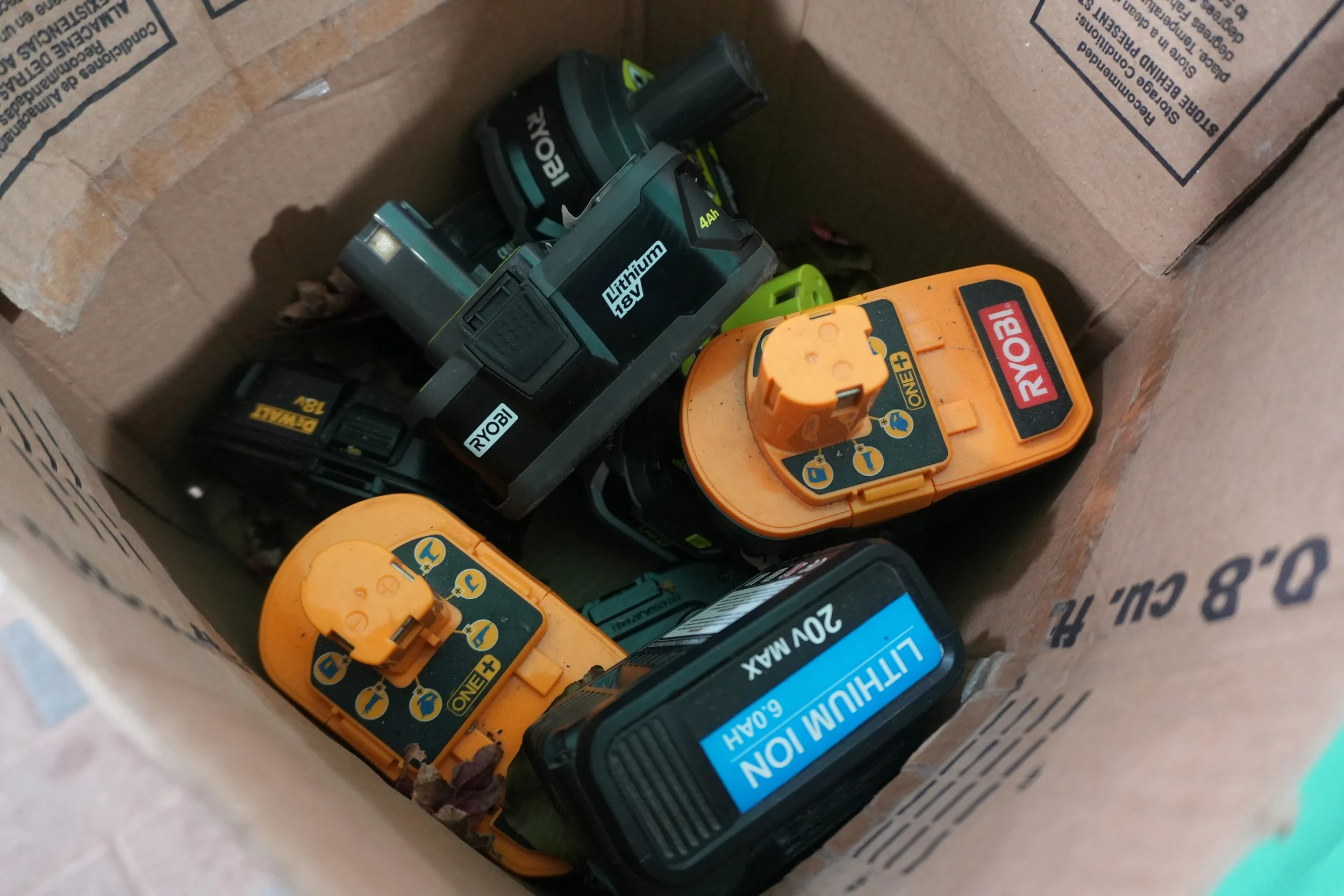
From tools to toys, rechargeable or long-life batteries power a lot of the things we use for work and play. But when those batteries die and won’t recharge, throwing them in the garbage creates a fire risk in garbage trucks and at waste and recycling facilities.
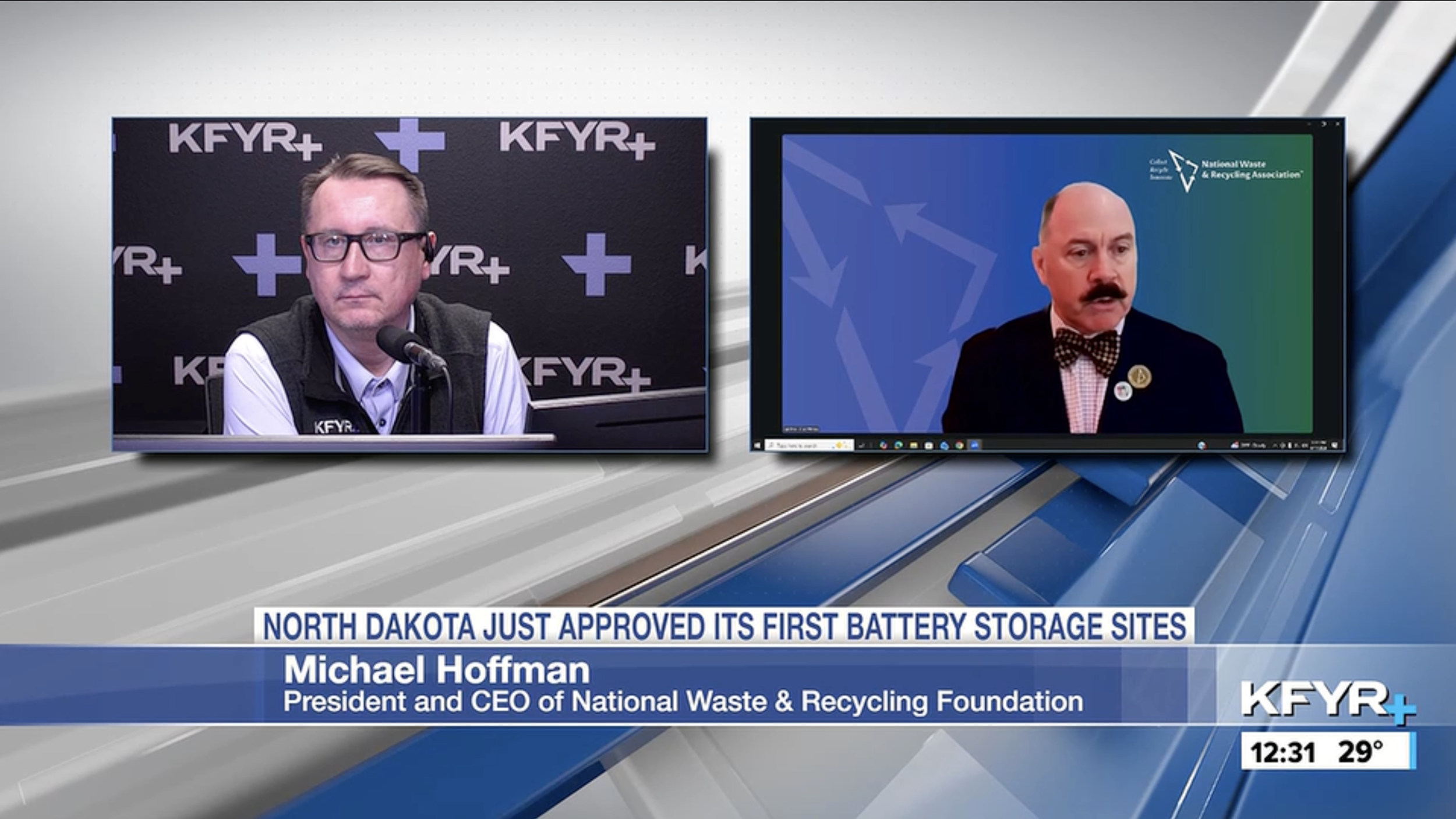
North Dakata has approved its first battery storage sites, but fire regulators are raising some alarms.
April is recognized as National Earth Month. Environmental and recycling groups are leveraging the month to spread awareness for a growing concern in the United States: improper disposal of lithium-ion batteries.
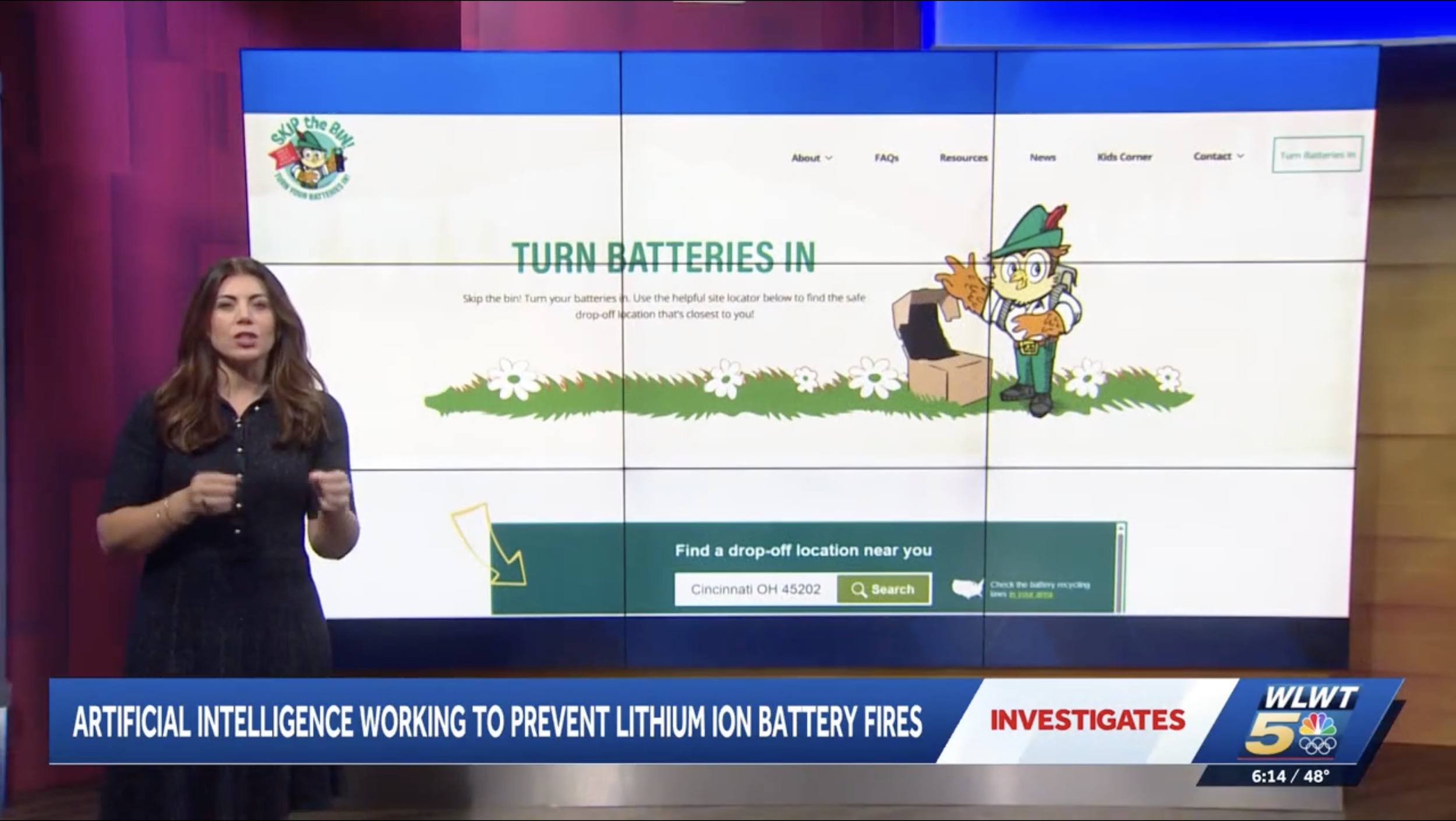
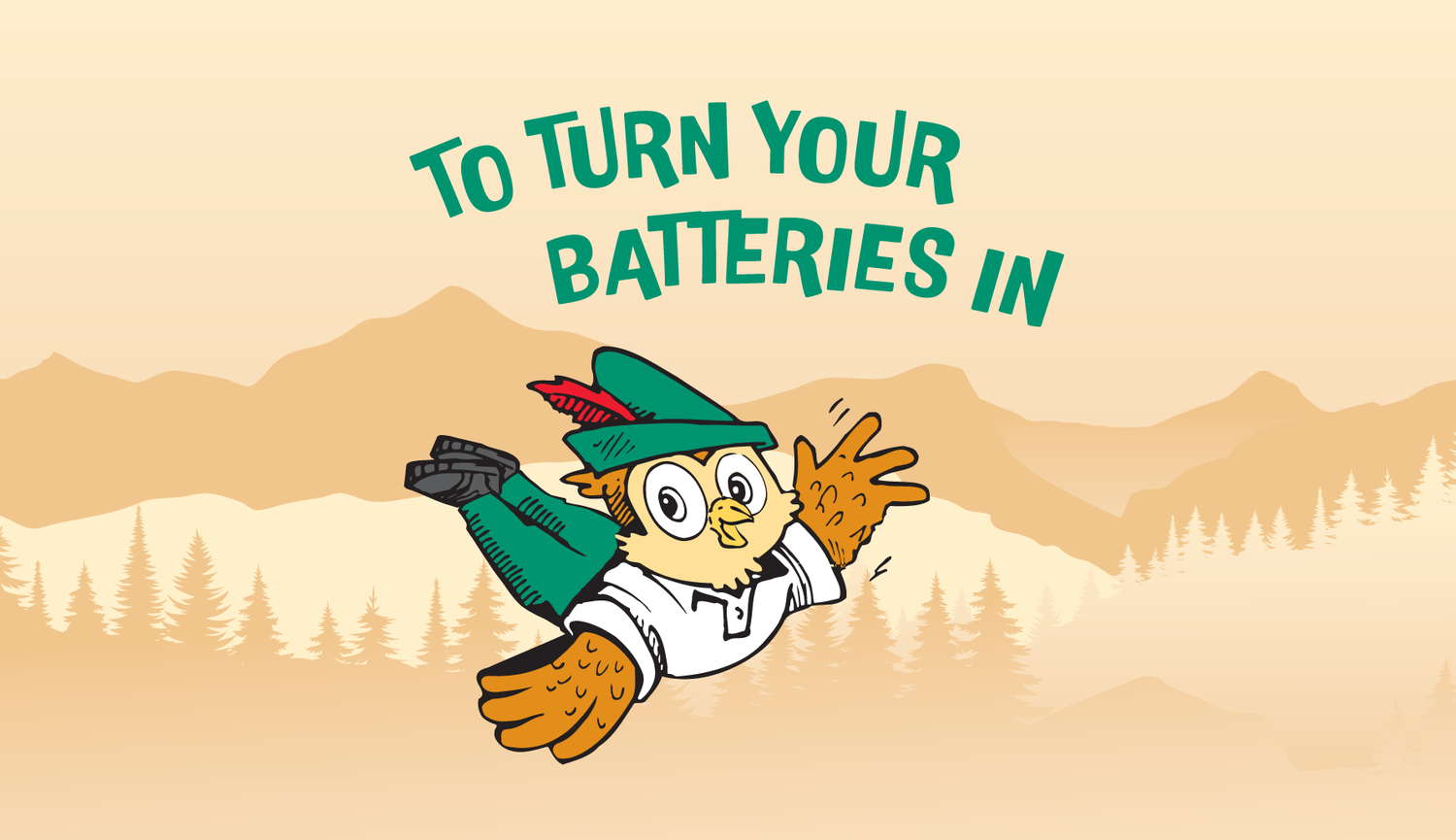
The National Waste & Recycling Foundation, alongside the U.S. Forest Service, have created a campaign titled “Skip the Bin! Turn Your Batteries In!” to help promote safe battery disposal. (U.S. Fire Administration/usfa.fema.gov)
NATIONAL WASTE & RECYCLING FOUNDATION
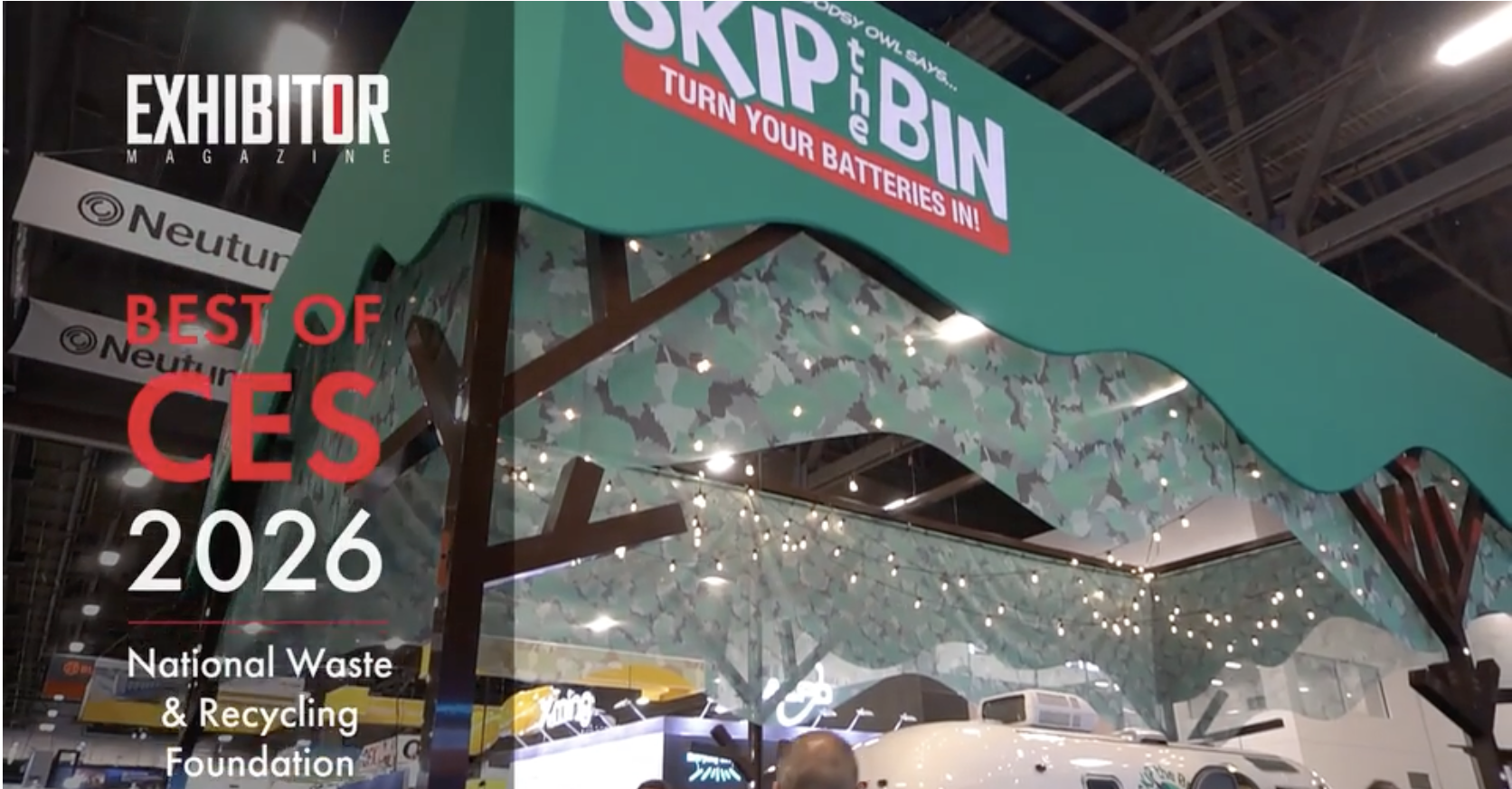
Design/Fabrication: Clyde, ET Global GmbH
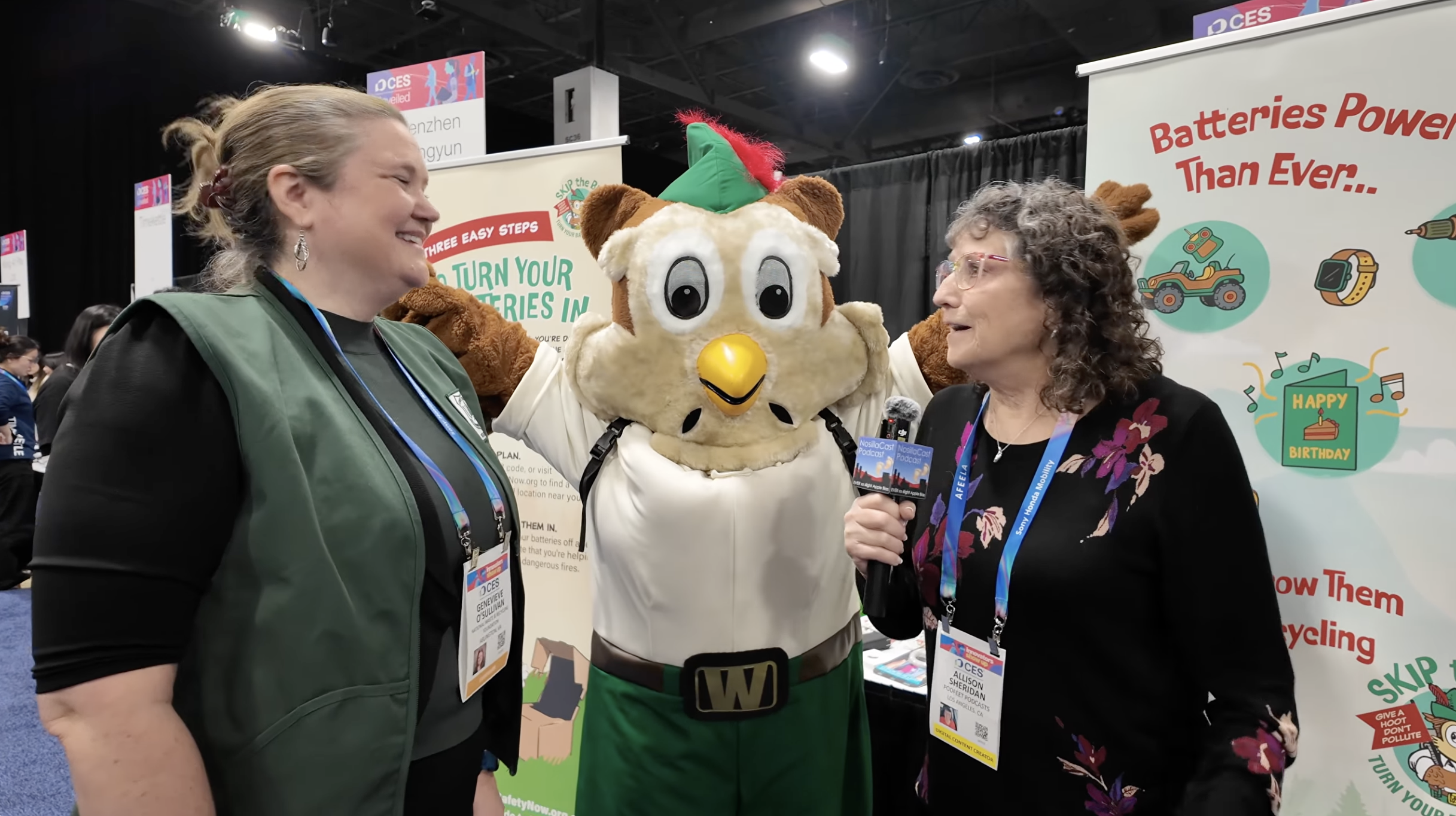
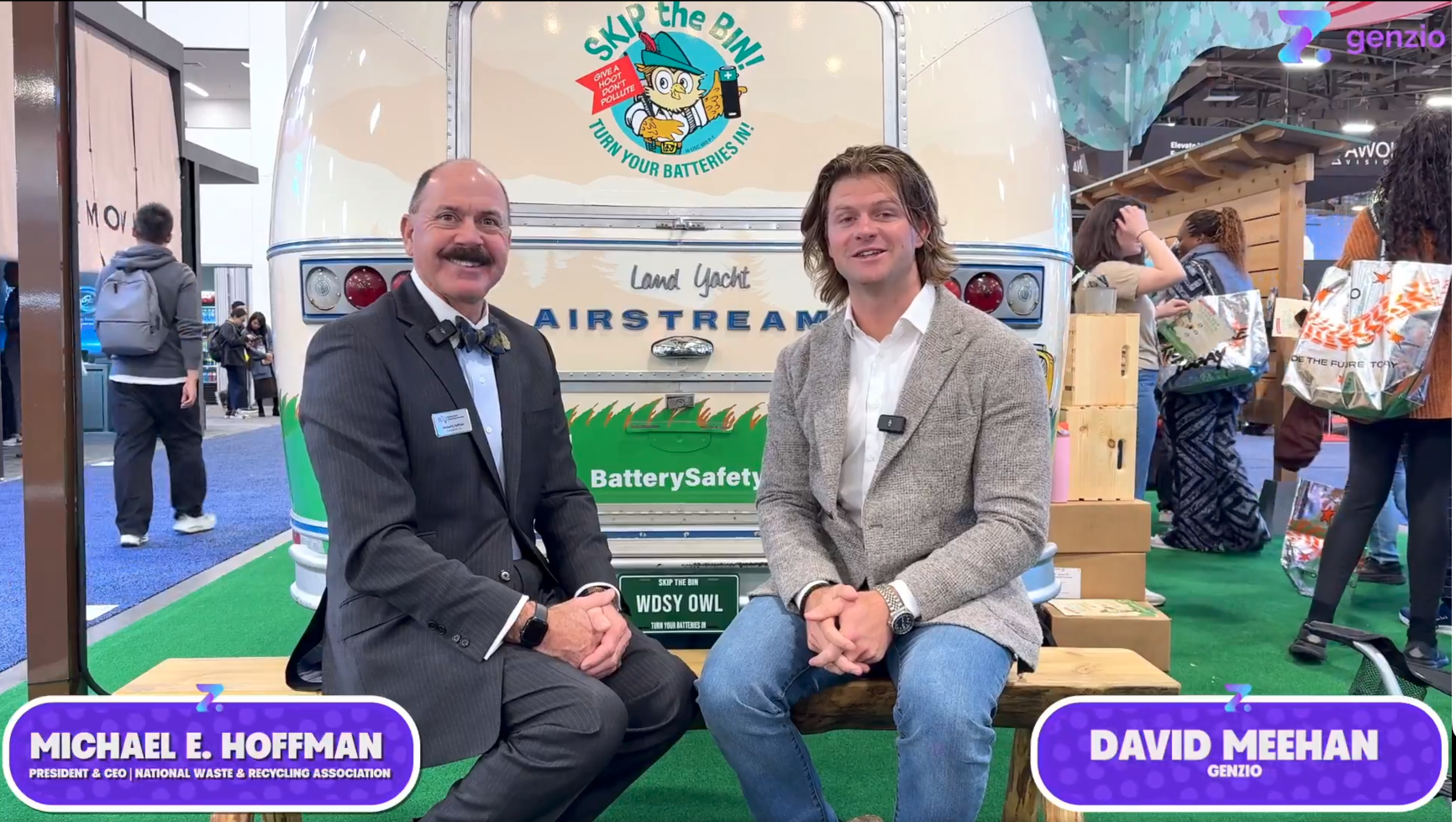
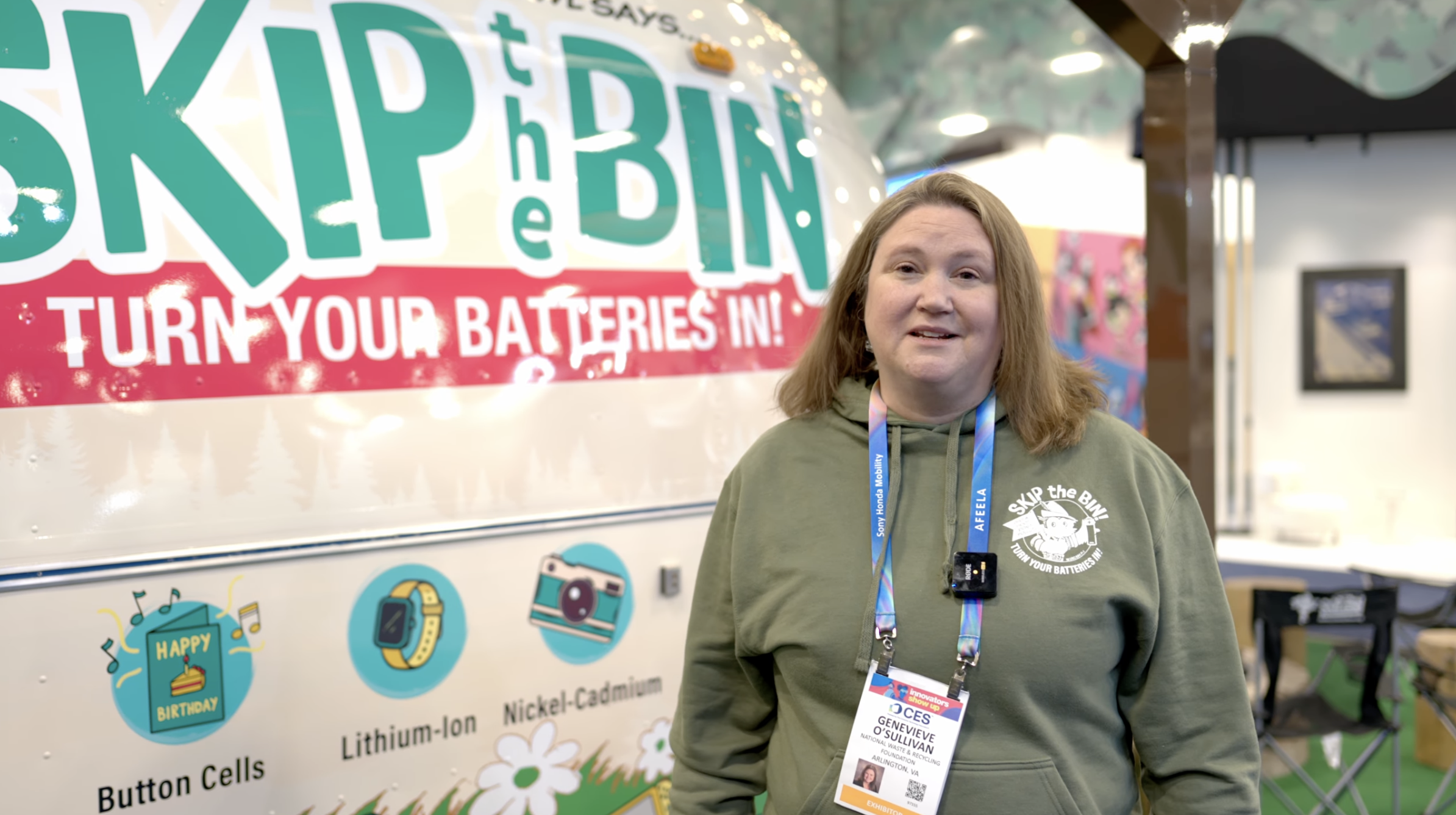
Amid a sea of screens and sensors, the National Waste & Recycling Foundation (NWRF) zigged where most exhibits zagged. It employed a low-tech yet high-impact experience to launch its national campaign: “Skip the Bin! Turn Your Batteries In!”
news stories
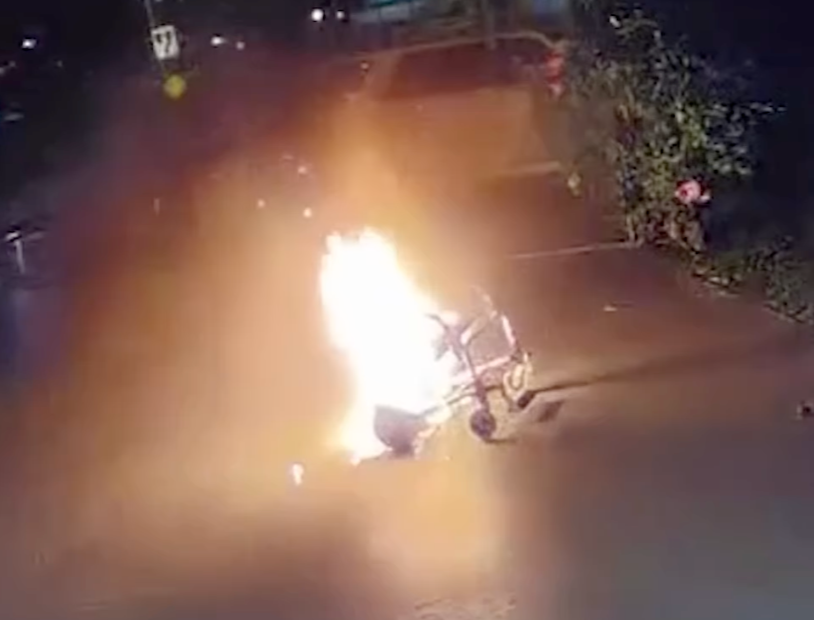
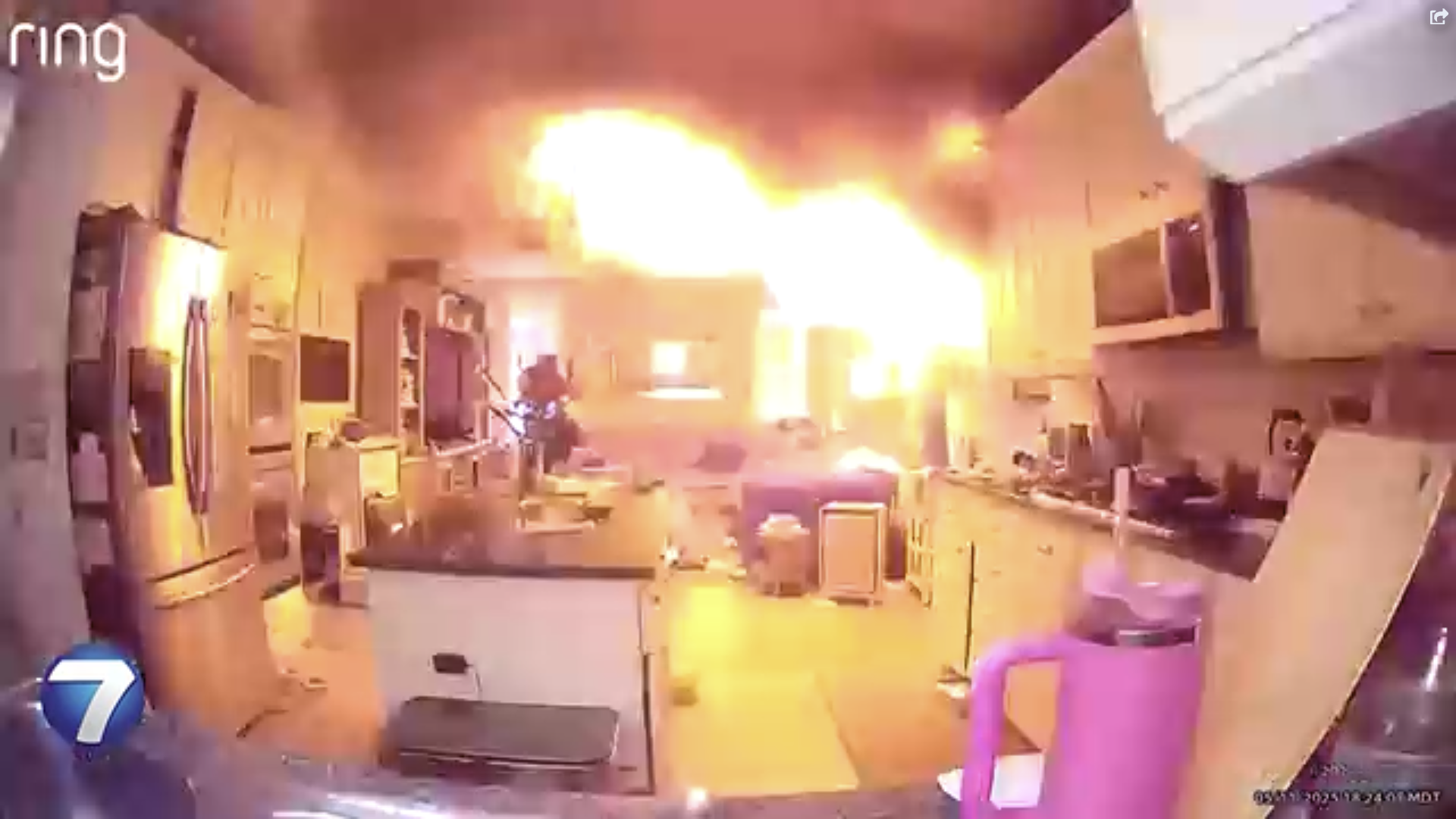
An electric powered wheelchair exploded in the driveway of a Hollywood home minutes after the homeowner said the wheelchair was inside her house.
State and national groups aim to cut battery fires and recover more critical minerals.
Michigan wants to improve how batteries are recycled in the state.
Officials launched a new Battery Circulation Program last week, which aims to improve safety and recover more of the critical minerals found in some batteries.
Used batteries, they power everything from kids toys to remotes, but experts say once they go dead, they shouldn’t end up in the trash.
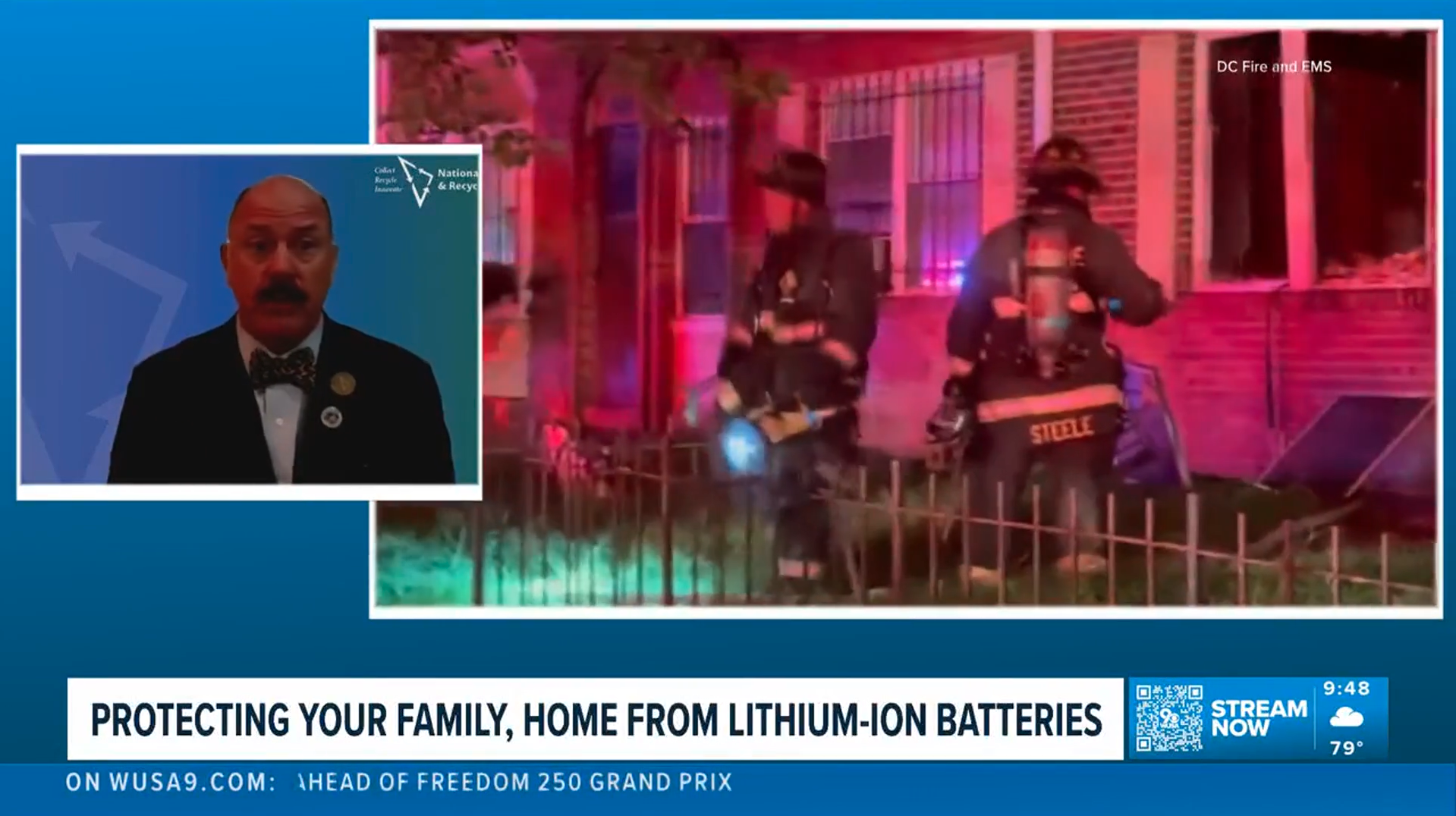
According to national agencies the US is seeing an increasing issue with accidents related to batteries, now a campaign is urging that residents know how to properly store old batteries before it’stoo late.
When household batteries die, it’s hard to know what to do with them. So they get shoved into a junk drawer or sheepishly thrown into the trash.
But dead batteries aren’t quite finished. They can leak heavy metals like cadmium and nickel into soil and water once they reach the landfill. Some of them can also overheat and cause fires in garbage trucks and recycling centers.